
Range Anxiety Is Dead — Here's What Killed It
Better batteries, denser charging networks, and smarter route planning apps have changed the EV driver experience forever.

A Road Trip That Would Have Been Impossible In 2023
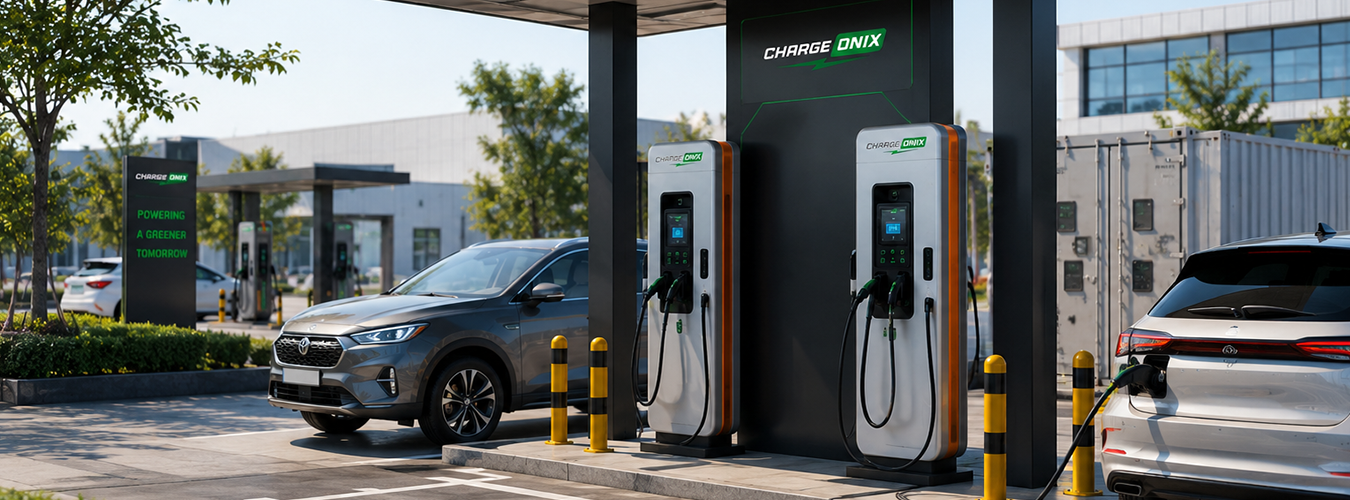
Last week, one of our engineers drove a standard Tata Nexon EV LR from Delhi to Jaipur to Jodhpur — 617 km, one day, two 22-minute charging stops (at Chargeonix™ stations on the route), and zero stress. In 2023, the same trip would have been a 3-stop, 4-hour-addition gamble on whether a random charging point on the highway was actually working. What changed?
Three Trends That Eliminated Range Anxiety
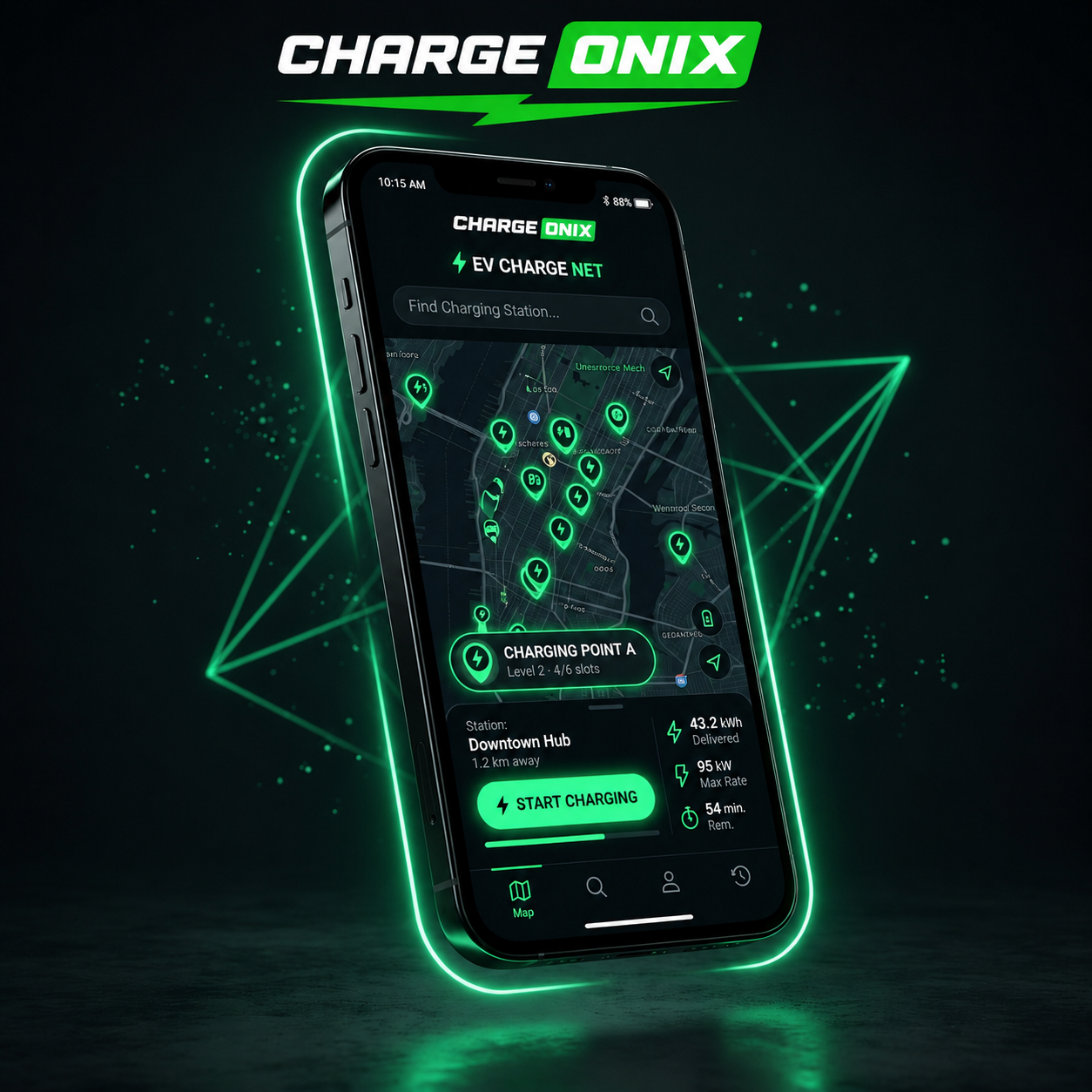
1. Battery chemistry improvements: LFP packs went mainstream, offering 450 km ARAI / 360 km real range at prices under ₹18 lakh. Mid-range SUVs (BYD Atto 3, Mahindra XUV400 Pro) crossed 500 km on paper — 380+ km in real summer AC driving. 2. Network density: The top-6 Indian metros now have a public DC fast charger every 2.3 km on average. 3. App reliability: Chargeonix™ + aggregator apps now show live station status (which guns are free, real-time power output, queuing estimate). 96% of sessions start successfully on the first try.
What Drivers Do Instead Of Worrying About Range
Our driver app analytics show a remarkable shift. Between 2024 and 2026, the average 'charger search radius' dropped from 35 km to 11 km — drivers no longer plan around the charger. The fastest-growing feature? 'Plan A Road Trip With Food/Café Stops' — users now optimize for chai breaks and meals, not 'can I make it?' behavior. Average dwell time at Chargeonix™ stations is 27 minutes. The top activities during charging are: walk into the convenience store (68%), use the café (29%), make calls (41%).
A Note For First-Time EV Buyers
If you're buying your first EV today: plan for home charging (install a 7kW AC point in your parking — it costs ₹15,000–25,000 after subsidies). Public fast charging is for highway trips and occasional top-ups, not daily use. That combination — a full charge every morning at home plus a fast-charger network you can trust on highways — is why range anxiety for 4-wheeler EVs is effectively over in 2026.